The Exceptional Advantages of Getting an Adjustable Bed
Investing in an adjustable bed can considerably enhance general health and wellness. These beds cater to various health needs, from minimizing rest disturbances to enhancing blood flow. By enabling adjustable configurations, they offer comfort and support for various tasks. Additionally, they may even increase property worth. Understanding the full range of benefits could lead to better sleep quality and enhanced daytime performance. What particular benefits might an adjustable bed hold for individual needs?
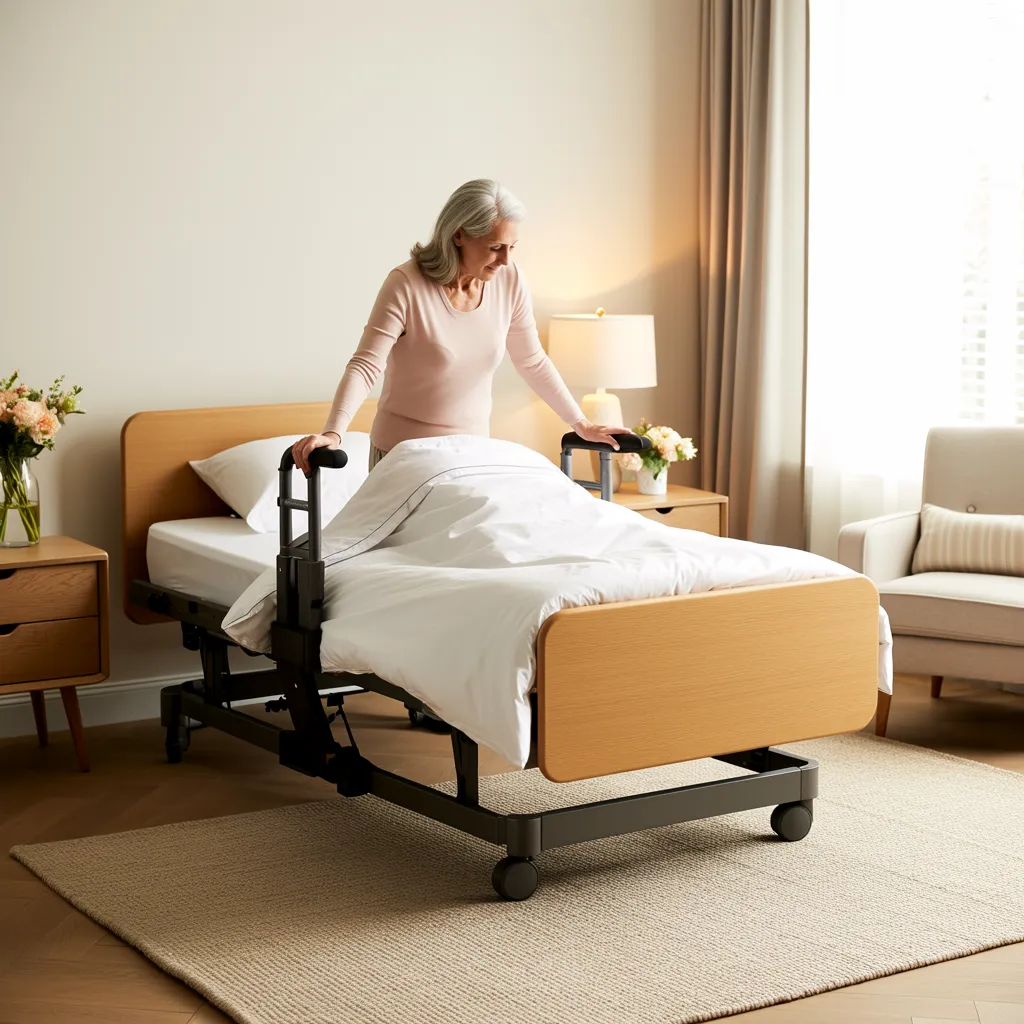
How Flexible Beds Support With Sleep Disorders
Adjustable beds can substantially boost the sleep experience for individuals suffering from various sleep disorders. By allowing users to modify their sleeping position, these beds can alleviate discomfort caused by conditions such as insomnia, restless leg syndrome, and chronic pain. Elevating the head or legs can encourage better circulation and decrease pressure on sensitive areas, leading to more restful sleep.
Furthermore, adjustable beds can facilitate easier changes in and out of bed, chiefly for those with mobility issues, enhancing overall personal autonomy. They also supply adjustable positioning capabilities, allowing individuals to find the best position that caters to their particular requirements.
Furthermore, the versatility of adjustable beds is beneficial for couples, as each member can customize their side for maximum comfort. Overall, investing in an adjustable mattress frame may substantially improve better sleep quality and overall well-being for those experiencing sleep disorders.
What Purpose Do Flexible Sleeping Surfaces Play in Alleviating Snoring and Breathing Disorders?
Raising the torso during sleep can greatly reduce snoring and alleviate symptoms of sleep apnea. Customizable sleeping surfaces enable users to customize their rest posture, which can be especially beneficial for those suffering from these conditions. By raising the head and torso, air circulation through the airways is improved, minimizing the oscillations that cause snoring. This posture also helps to stop the tongue and soft tissues from falling into the throat, a common issue in sleep apnea.
Moreover, adjustable beds can deliver a more comfortable sleeping environment, which facilitates better sleep quality. Users can investigate different angles to locate the most effective position for their individual needs. This adaptability not only nurtures a tranquil sleep period but may also strengthen total wellbeing by limiting the number of sleep disruptions. In turn, purchasing an adjustable bed may be a practical solution for individuals struggling with snoring and sleep apnea.
Flexible Beds: Optimizing Circulation and Relieving Pain
Elevating the legs and upper body in a customized position can greatly enhance circulation and alleviate pain for many individuals. Modifiable beds facilitate ideal body positioning, supporting healthier circulation and alleviating strain on important zones. This better blood flow can support people with problems like arthritis and ongoing pain, as it reduces soreness and promotes total wellness.
Raising the legs can also minimize inflammation in the lower extremities, helping those with edema or varicose veins. Additionally, a higher upper body position can ease pressure on the spine, possibly easing back pain and enhancing spinal alignment.
Furthermore, adjustable beds enable for individualized modifications, appealing to each person's unique needs. As a result, users often enjoy not only alleviation from current discomfort but also improved relaxation during sleep. The synergy of better blood flow and discomfort reduction underscores the substantial advantages of investing in an adjustable bed for a better quality of life.
Finding Your Perfect Flexible Sleeping Position for Comfort
How might one determine the ideal configuration for an flexible bed frame to maximize relaxation? To find the perfect arrangement, people should assess their distinct needs, such as sleep behaviors and any specific health concerns. A position that raises the head can reduce sleep-related snoring and improve breathing, while lifting the lower extremities may improve circulation and lower load on the lower back.
Trying different approaches is crucial; gradually adjusting your bed can help locate the most cozy angles. Monitoring how changing how you position key resource yourself impact sleep quality is critical, as ease can vary from one person to another.
Also, consulting with a healthcare professional may offer tailored advice for those battling chronic pain or other medical conditions. Ultimately, the goal is to develop a encouraging environment that fosters restful slumber, ensuring that the adjustable bed fulfills its promise of superior comfort and vitality.
Ways Flexible Beds Improve Relaxation and Decrease Stress
Adjustable beds function as not only a source of personalized comfort but also play a crucial function in boosting relaxation and lessening stress. By allowing people to customize their rest position, these beds can decrease strain on the body, supporting a more rejuvenating experience. Lifting the head can support easier respiration and lessen snoring, while elevating the lower extremities can boost circulation and ease tension in the lower back.
The ability to change posture cultivates a feeling of control, which can be psychologically beneficial. For individuals managing stress or anxiety, the option to locate an optimal position can produce a calmer setting favorable for unwinding. Additionally, many adjustable beds come equipped with therapeutic massage options, additionally improving their stress-relieving capabilities. Overall, the adaptability of adjustable beds ensures they address individual needs, creating a serene space where unwinding takes precedence, ultimately leading to a better overall quality of life.
Continuous Health Profits of Adjustable Beds
Adjustable beds provide substantial long-term health benefits that can boost sleep quality and overall wellness. By enabling users to change their sleeping position, these beds can minimize pain and support better circulation. As a result, acquiring an adjustable bed may generate lasting gains in health and comfort.
Enhanced Sleep Quality
Quality sleep is vital for general health, and purchasing an adjustable bed can greatly enhance this important component of health. These beds enable people to customize their sleeping positions, supporting proper spine support and minimizing discomfort. By elevating the head or feet, adjustable beds can enable better airflow and better blood flow, contributing to deeper, more restorative sleep cycles. Research indicates that individuals who use adjustable beds often have fewer sleep disruptions during the night, leading to longer durations of uninterrupted sleep. This improvement in sleep quality can result in enhanced cognitive function, better mood regulation, and increased energy levels throughout the day. Ultimately, an adjustable bed serves as a valuable investment in long-term health by creating a more rejuvenating sleep experience.
Alleviation of Discomfort
Relieving discomfort is a significant benefit of choosing an adjustable bed, especially for those dealing with chronic discomfort. By allowing users to modify their sleeping position, these beds can alleviate pressure on sensitive areas, such as the back, neck, and joints. Individuals with conditions like arthritis, fibromyalgia, or lower back pain may find substantial relief by elevating their legs or raising their upper body. This personalized support can lead to better spinal alignment, reducing strain during sleep. Additionally, an adjustable bed can help minimize discomfort associated with acid reflux, as elevating the head can reduce gastric issues. Overall, the potential for pain relief makes adjustable beds a beneficial option for improving long-term health and well-being.
Improved Vascular Benefits
While many may not right away think about sleep position's impact on blood flow, investing in an adjustable bed can greatly enhance blood flow. By enabling people to elevate their legs or upper body, these beds promote better venous return, decreasing the risk of blood pooling in the extremities. Better blood flow benefits overall health, encouraging faster recovery from injuries and reducing fatigue. Additionally, enhanced blood flow can alleviate symptoms of conditions such as varicose veins and edema. Long-term use of adjustable beds may lead to healthier cardiovascular function, ensuring that essential organs receive adequate oxygen and nutrients. Consequently, the advantages extend beyond comfort, contributing to sustained well-being and a better quality of life for those seeking restorative sleep.
Top Asked Inquiries
Do variable Beds accommodate Various Mattress Types?
Yes, beds that adjust can accommodate different kinds of mattresses, such as memory foam, latex, and innerspring. Each type must meet specific adaptability standards to guarantee compatibility, allowing users to enjoy personalized assistance and ease while modifying the bed's position.
Motorized Beds: Do They Need Unique Bedding or Sheets?
Adjustable beds do not inherently demand dedicated bedding or bedding, but fitted sheets designed for thicker mattresses can enhance fit. Standard bedding may also function, though it might not fit as securely on adjustable frames.
What Noise Level Do Adjustable Bed Mechanisms Produce?
Adjustable bed structures can differ in noise output; some run quietly while others may emit perceptible sounds during adjustments. Generally, newer models tend to be engineered for silent operation, reducing disruptions during use.
Are Adjustable Beds Easy to Put Together and Move?
Adjustable beds are generally simple to assemble and move, often requiring little equipment and work. Their lightweight parts and flexible structure facilitate relocation, rendering them a practical option for those who may frequently alter environments.
What Is the Typical Lifespan of an Adjustable Sleep System?
The average lifespan of an motorized bed generally spans from 10 to 15 years, based on factors such as use, material quality, and upkeep. Consistent maintenance can extend its longevity considerably.